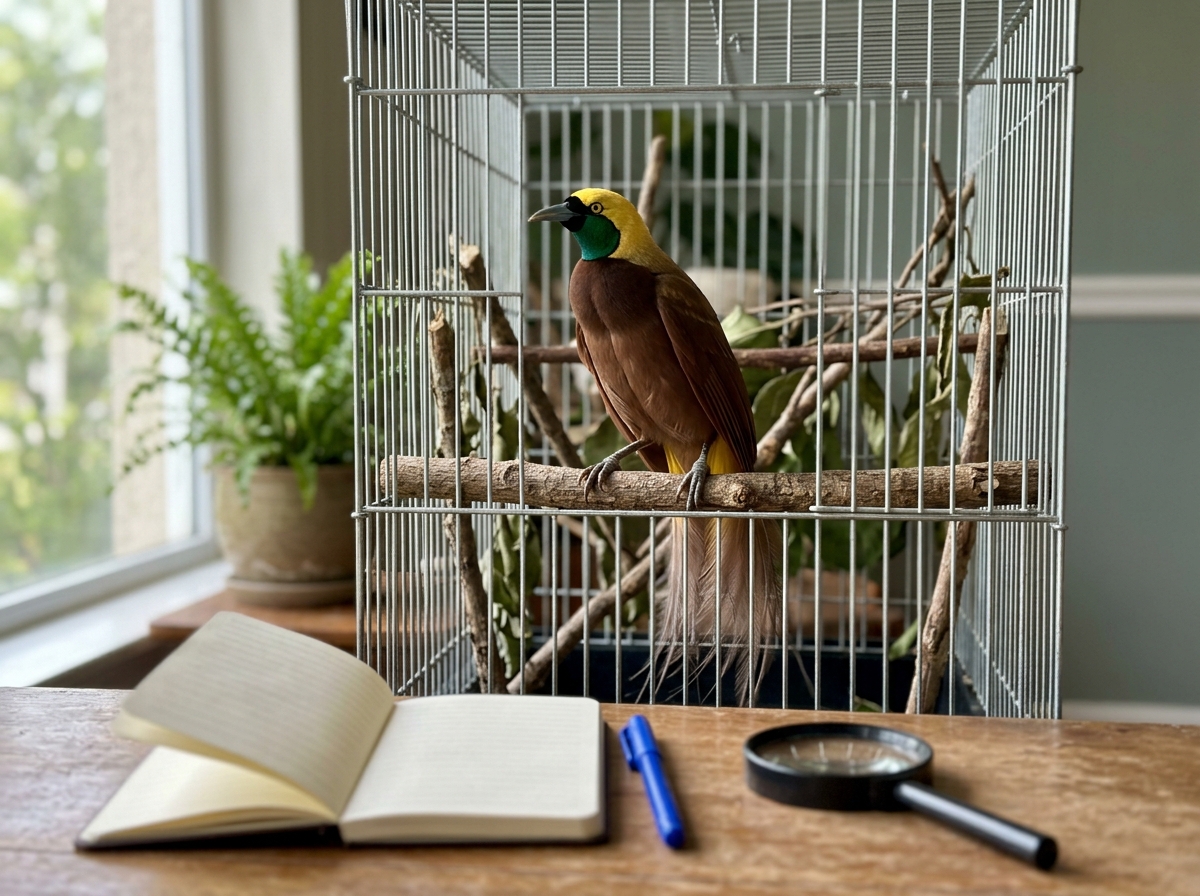
Bird of paradise species (family Paradisaeidae) are not common pet birds in the way parrots or canaries are, but captive birds face the same categories of illness as other avian species. They can develop respiratory infections, digestive problems, feather disorders, and systemic disease. Because reliable species-specific research on bird of paradise health is limited, the most useful approach is to apply well-established avian illness recognition principles, which is exactly what this guide does.
One more thing worth flagging: some people search this phrase because they have a parrot or softbill species they've nicknamed 'bird of paradise.' Either way, the symptom guidance here applies broadly to captive exotic birds, so read on.
Symptom checklist: what to look at every day
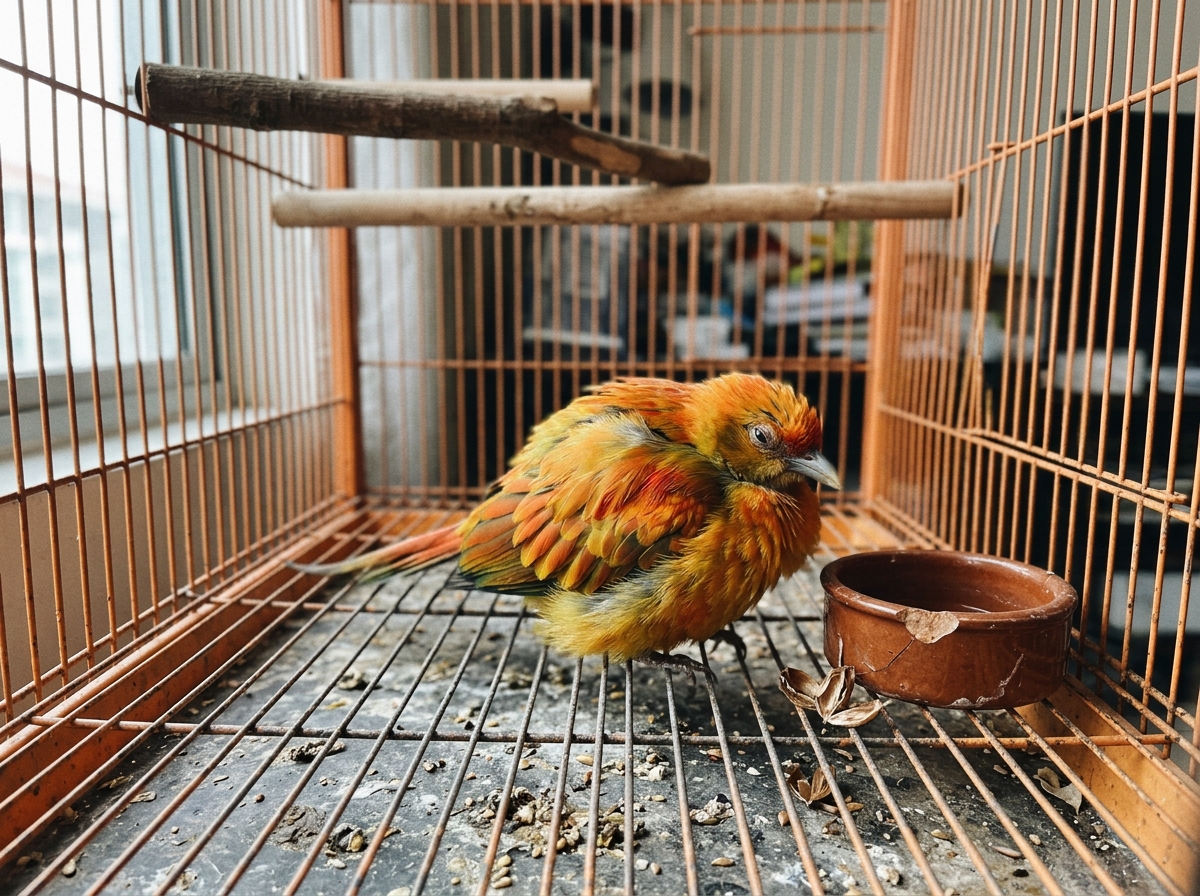
Birds are prey animals, which means they hide signs of illness until they genuinely can't anymore. By the time a bird looks sick, it has often been unwell for longer than you realize. That's why daily observation matters. Run through these four categories each morning.
Behavior
- Less active than usual, or sitting on the cage floor instead of a perch
- Sleeping more, especially during daylight hours when the bird is normally alert
- Fluffed feathers while at rest (a classic posture birds adopt when feeling unwell)
- Reluctance to fly or move around the enclosure
- Loss of normal vocalizations, or a change in voice quality
- Unusual aggression or uncharacteristic hiding behavior
- Loss of balance, stumbling, or difficulty gripping a perch
Appetite and weight
- Eating noticeably less, ignoring favorite foods, or not eating at all
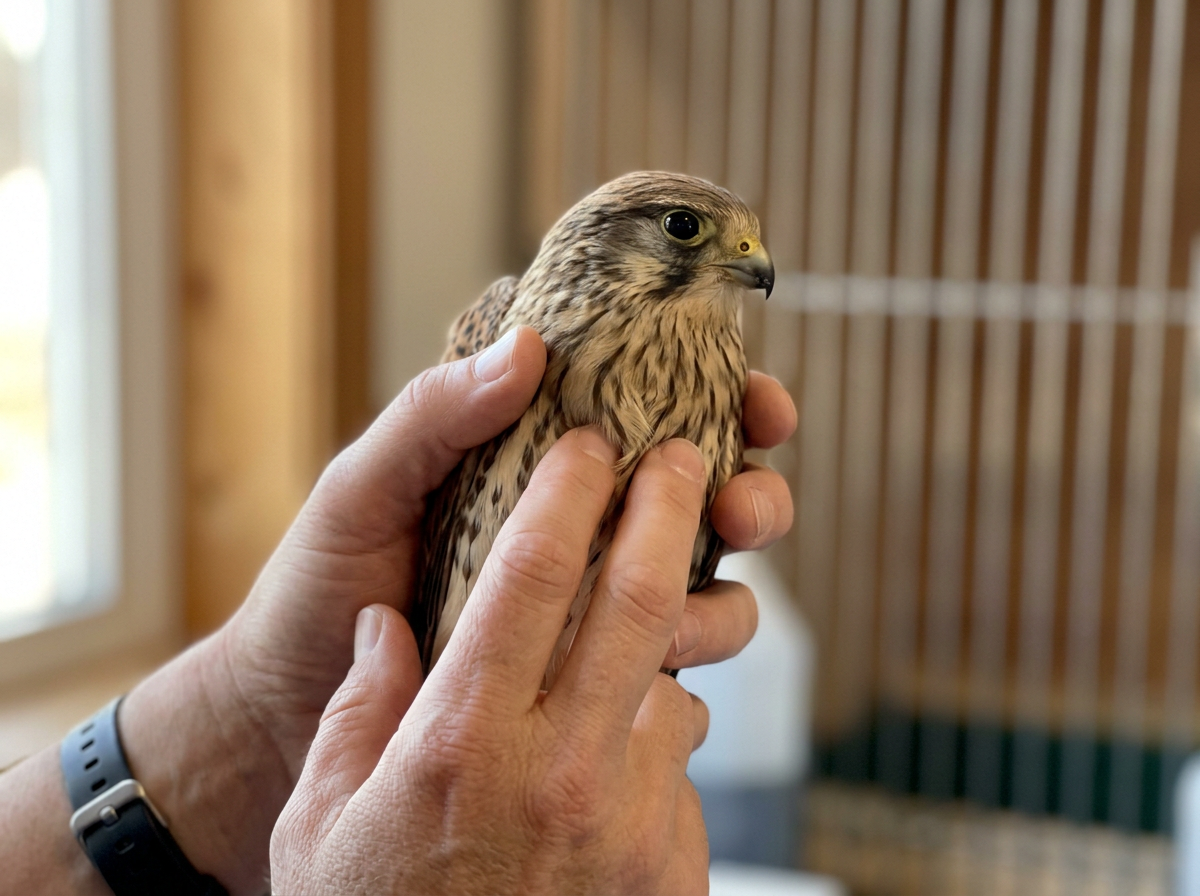
- Weight loss: you can detect this early by gently feeling the keel (breastbone) — a very prominent or sharp keel means the bird has lost muscle mass
- Difficulty picking up or manipulating food with the beak
- Regurgitating food back up (distinct from normal regurgitation some birds do as a social behavior)
Droppings
Droppings have three components: the dark fecal portion, white or cream-colored urates, and liquid urine. Changes in any of these matter. Don't clean the cage before you observe the droppings, because they give valuable diagnostic information that a vet will want to know about.
- Red or black coloring in the fecal portion: can indicate internal bleeding, intestinal infection, or a swallowed object — treat as urgent
- Green or yellow urates: associated with liver disease or prolonged anorexia
- Runny or watery droppings persisting beyond a few hours without a dietary explanation
- Extremely scant droppings suggesting the bird is not eating
- Undigested food particles in the droppings
- Strong or unusual odor compared to normal
Feather condition
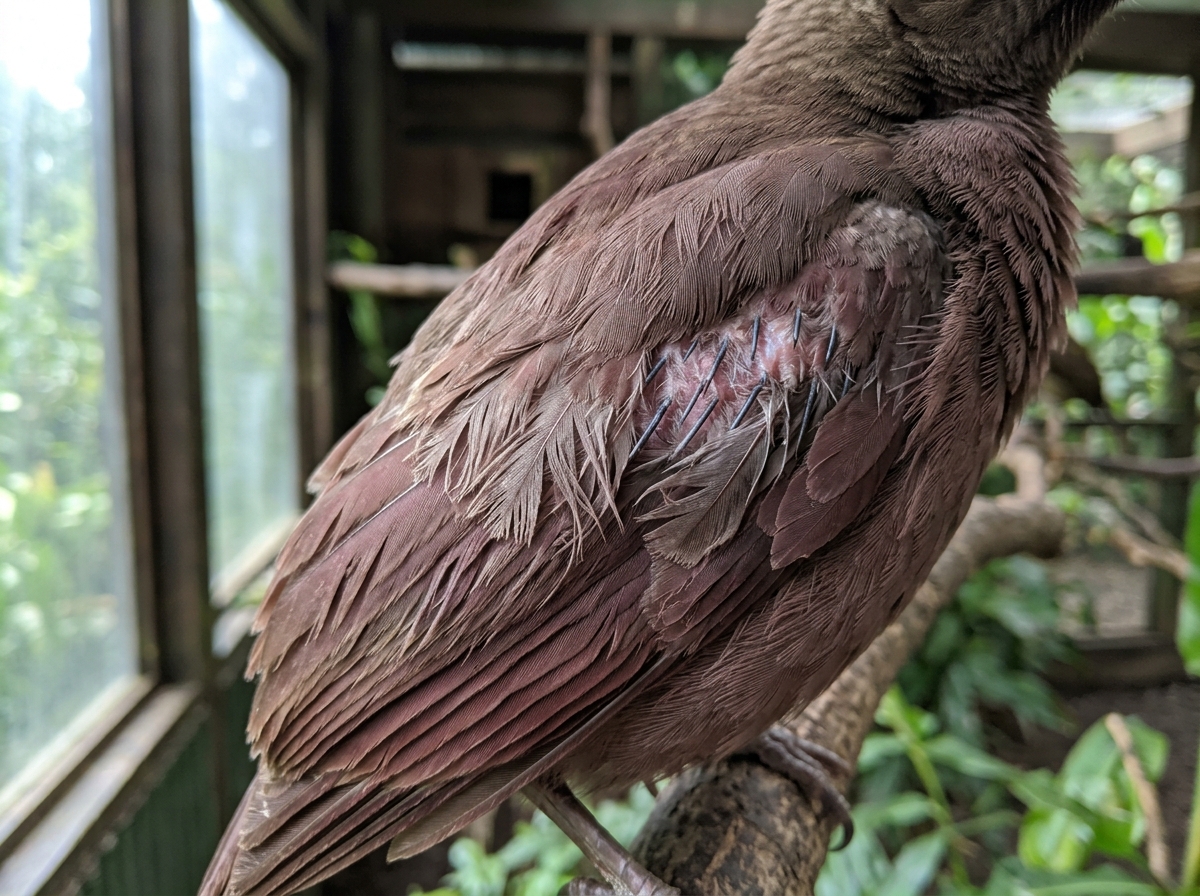
- Feathers that look dull, frayed, or poorly maintained
- Feathers missing in patches, or pin feathers (new growth) that appear damaged
- Excessive preening or feather-destructive behavior
- Abnormal molt timing or retained feather sheaths
- Consistently fluffed appearance, even in a warm environment
Respiratory signs to watch closely
Respiratory problems are among the most urgent health concerns in captive birds, and they can escalate quickly. Open-mouth breathing is the most serious single sign you can observe. It can result from restricted airflow in the trachea caused by pus, mucus, or foreign material, and it signals the bird is working hard to get enough air. If you see it, don't wait.
The key respiratory red flags
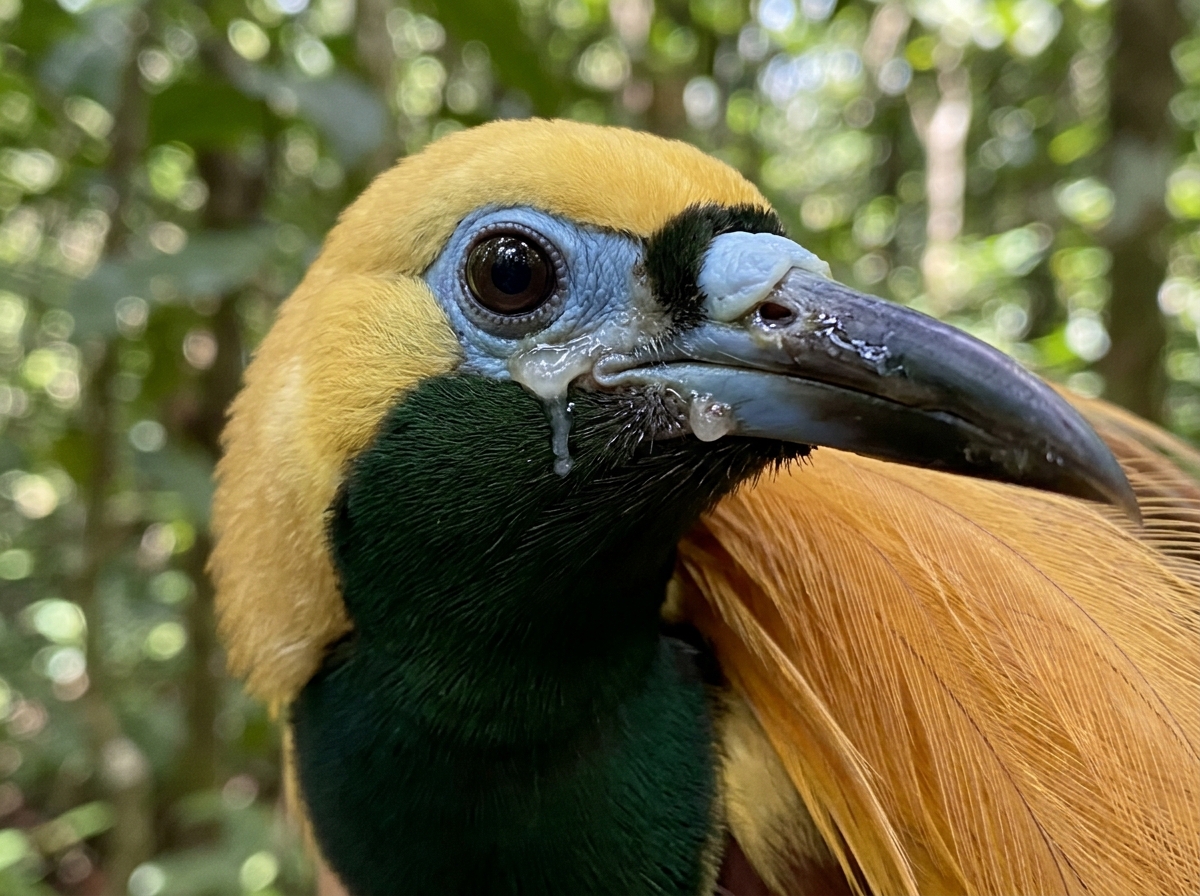
- Open-mouth breathing while the bird is at rest: this is an emergency sign
- Tail bobbing: the tail moves visibly up and down in sync with each breath, reflecting significant effort to exhale — it signals pulmonary or obstructive tracheal disease
- Increased sternal (chest) effort: the whole body heaves with each breath
- Wing pumping: the wings lift slightly with each breath as the bird uses accessory muscles
- Wheezing, clicking, or other audible sounds during breathing
- Nasal discharge: wet, crusty, or discolored material around the nostrils
- Sneezing repeatedly, especially with discharge
- Voice changes or a muffled quality to vocalizations
- Neck stretching or swelling around the airway
When assessing breathing, always do it from a distance first before approaching the bird. Handling a bird already in respiratory distress adds stress and can make things worse fast. Watch the bird resting quietly on its perch. A healthy bird at rest breathes smoothly and without visible effort. Resting respiratory rates vary by species and size: small parrots like conures are typically around 40 to 50 breaths per minute, Amazon-sized parrots range from roughly 15 to 45 breaths per minute, and very small birds like budgerigars are closer to 60 to 75 breaths per minute. Bird of paradise species are broadly comparable to mid-sized softbills, so you're looking for calm, rhythmic breathing without any of the effort signs listed above. If the rate is obviously elevated at rest or you can see any whole-body effort, that's concerning.
Also note that a mild increase in breathing rate immediately after physical activity is normal. What matters is whether the rate returns to normal quickly and whether there's any visible effort. Document what you see while the bird is calm and undisturbed.
Other high-signal symptoms worth knowing
Eye and nasal discharge
Watery, cloudy, or mucoid discharge from one or both eyes, or from the nostrils, is a meaningful clinical sign. It often accompanies respiratory infection but can also indicate systemic illness. It often accompanies respiratory infection but can also indicate systemic illness. Ruffled feathers combined with runny eyes and nasal discharge is a classic cluster seen in chlamydiosis (psittacosis), a bacterial infection caused by Chlamydia psittaci that can affect many bird species and is transmissible to people. If you're seeing this combination, isolate the bird from other birds and contact an avian vet promptly.
Neurologic signs
- Tremors or involuntary shaking
- Head tilting or circling
- Loss of coordination or inability to land properly
- Falling off perches
- Paralysis of one or both legs or wings
- Seizure-like episodes
Neurologic signs are always urgent. They can result from infection (including aspergillosis, a fungal respiratory disease that can spread to the nervous system), nutritional deficiency, toxin exposure, or trauma. Any of the above warrants same-day veterinary contact.
Reproductive and digestive concerns
In female birds, straining without producing an egg, a swollen or distended abdomen, or visible straining in the cloaca suggests egg binding, which is a genuine emergency. Vomiting or regurgitation that isn't linked to normal social behavior, combined with lethargy, can indicate digestive infection, crop impaction, or systemic illness. Persistent diarrhea lasting more than a day, especially with blood or dark coloring, needs veterinary attention.
Symptom clusters and what they can suggest
No symptom checklist can give you a diagnosis. What it can do is help you identify patterns that point toward certain categories of illness and help you communicate clearly with a vet. Here's how common clusters tend to map out.
| Symptom Cluster | Possible Conditions to Consider | Urgency Level |
|---|
| Open-mouth breathing, tail bobbing, audible wheeze, lethargy | Respiratory infection (bacterial, fungal such as aspergillosis), tracheal obstruction, air sac disease | Emergency — contact vet immediately |
| Sneezing, nasal discharge, watery eyes, ruffled feathers, reduced appetite | Psittacosis (Chlamydia psittaci), upper respiratory infection, viral illness | Urgent — same day or next day vet visit; isolate bird |
| Green or yellow urates, reduced appetite, lethargy, weight loss | Liver disease, systemic infection, prolonged anorexia from another cause | Urgent — schedule vet visit within 24–48 hours |
| Red or black droppings, lethargy, reduced food intake | Internal bleeding, intestinal infection, swallowed foreign object, egg binding (females) | Emergency — contact vet immediately |
| Neurologic signs (tremors, head tilt, loss of coordination), plus respiratory signs | Aspergillosis with CNS involvement, toxin exposure, nutritional deficiency, trauma | Emergency — contact vet immediately |
| Fluffed feathers, reduced activity, mild appetite decrease, no discharge or breathing changes | Early or mild systemic illness, stress, environmental issue | Monitor closely for 12–24 hours; vet visit if not improving |
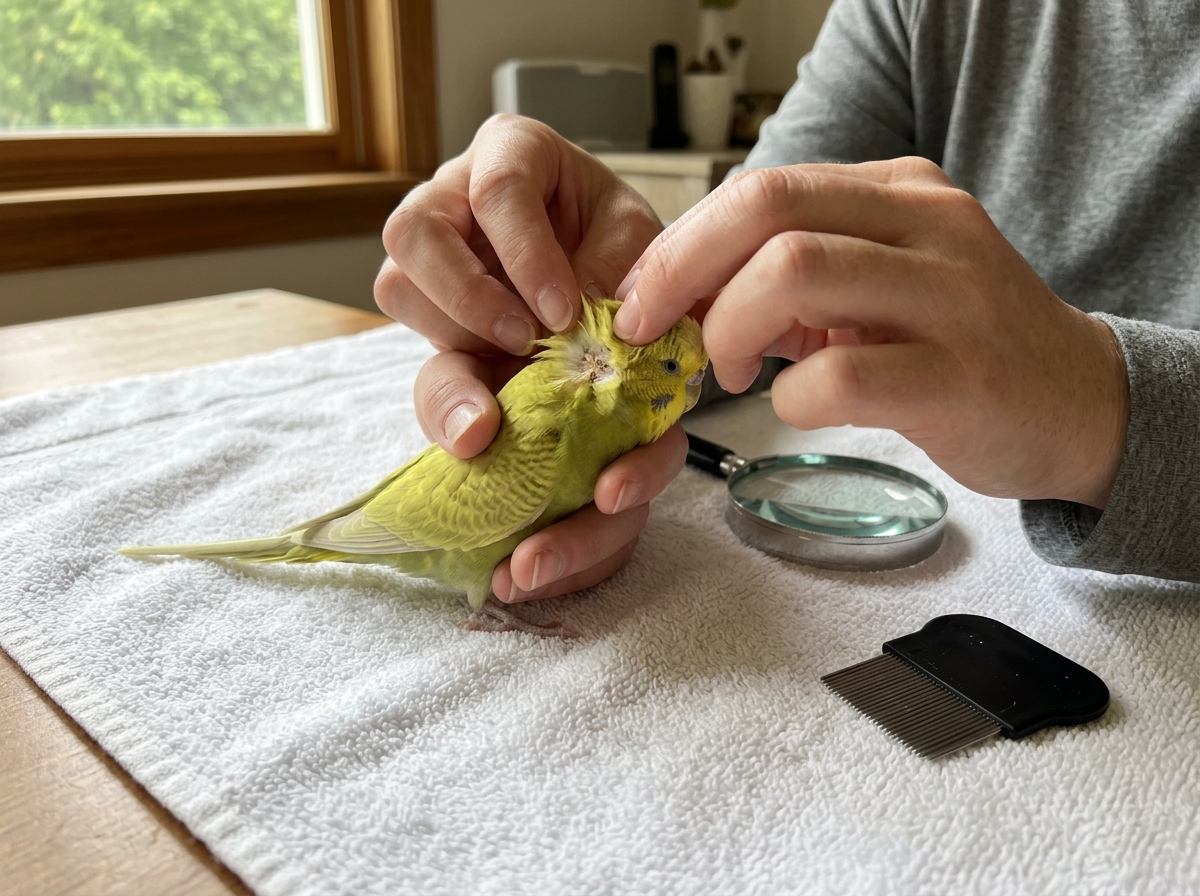
| Feather damage, excessive preening, patches of missing feathers | Psittacine beak and feather disease (PBFD), feather-destructive behavior, external parasites such as bird lice | Schedule vet visit within a week; sooner if other symptoms appear |
The most dangerous pattern to recognize is any combination of breathing effort signs (open-mouth breathing, tail bobbing, wing pumping) with lethargy and reduced food intake. That cluster means the bird is already compromised and burning energy just to breathe. It needs veterinary care today, not tomorrow.
How to document symptoms and check urgency at home
Good documentation helps you assess urgency and gives your vet a much clearer picture. Here's a practical process you can run through right now.
- Observe from a distance first: Before approaching the bird, spend 2 to 3 minutes watching it from across the room. Note its posture (perching normally or hunched/fluffed), whether it's moving, and most importantly whether there is any visible breathing effort. Write down what you see.
- Count the breathing rate at rest: Count each breath (one rise of the chest or visible body movement) for 30 seconds, then multiply by two to get breaths per minute. Do this while the bird is calm and has not been recently handled or startled.
- Check the droppings before cleaning: Look at the droppings in the cage without disturbing them. Note the color and consistency of all three components: fecal matter, urates, and liquid. Take a photo if you can.
- Assess the keel bone: If the bird is tame enough to handle safely, gently feel the breastbone. A sharp ridge with very little muscle on either side indicates weight loss.
- Check for discharge: Look at the nostrils (nares) for any wetness, crustiness, or discoloration. Check around the eyes for swelling, discharge, or redness.
- Note when symptoms started: Even a rough timeline helps. 'Acting quiet for two days, stopped eating this morning' is much more useful to a vet than 'seems off lately.'
- Record environmental factors: Any recent changes in diet, temperature, drafts, new birds introduced nearby, cleaning products or air fresheners used, or anything else that changed in the past week.
- Take a short video: A 30-second phone video of the bird at rest, especially if breathing looks abnormal, is one of the most useful things you can bring to a vet consultation.
Once you've run through that, use the urgency check: if you see open-mouth breathing, tail bobbing, wing pumping, audible breath sounds, neurologic signs, blood in droppings, or straining without producing an egg, stop reading and call an avian vet or exotic animal emergency clinic now. For anything less acute but still concerning, aim for a vet visit within 24 to 48 hours.
Safe things you can do at home while waiting
- Keep the bird warm: A sick bird struggles to regulate its own temperature. Moving it to a warmer spot (around 80 to 85°F or 27 to 29°C) reduces the metabolic burden. A hospital cage setup — a small cage with a heat source on one side so the bird can self-regulate — is ideal.
- Minimize stress and handling: Stress worsens respiratory distress and immune function. Keep the environment quiet, dim the lights slightly, and limit how often you open the cage.
- Isolate from other birds: If infection is a possibility, separation prevents spread and also reduces competition stress for a sick bird.
- Ensure water is easily accessible: Don't force fluids, but make sure the bird can reach water without effort. If the bird is too weak to perch near the water, lower the dish to a reachable level.
- Improve air quality: Remove any scented candles, air fresheners, non-stick cookware fumes, or cigarette smoke from the environment. Birds have highly sensitive respiratory systems.
- Don't add supplements or medications without guidance: Well-meaning interventions can mask symptoms or interact with treatments, making diagnosis harder.
When to seek an avian vet urgently and what to expect
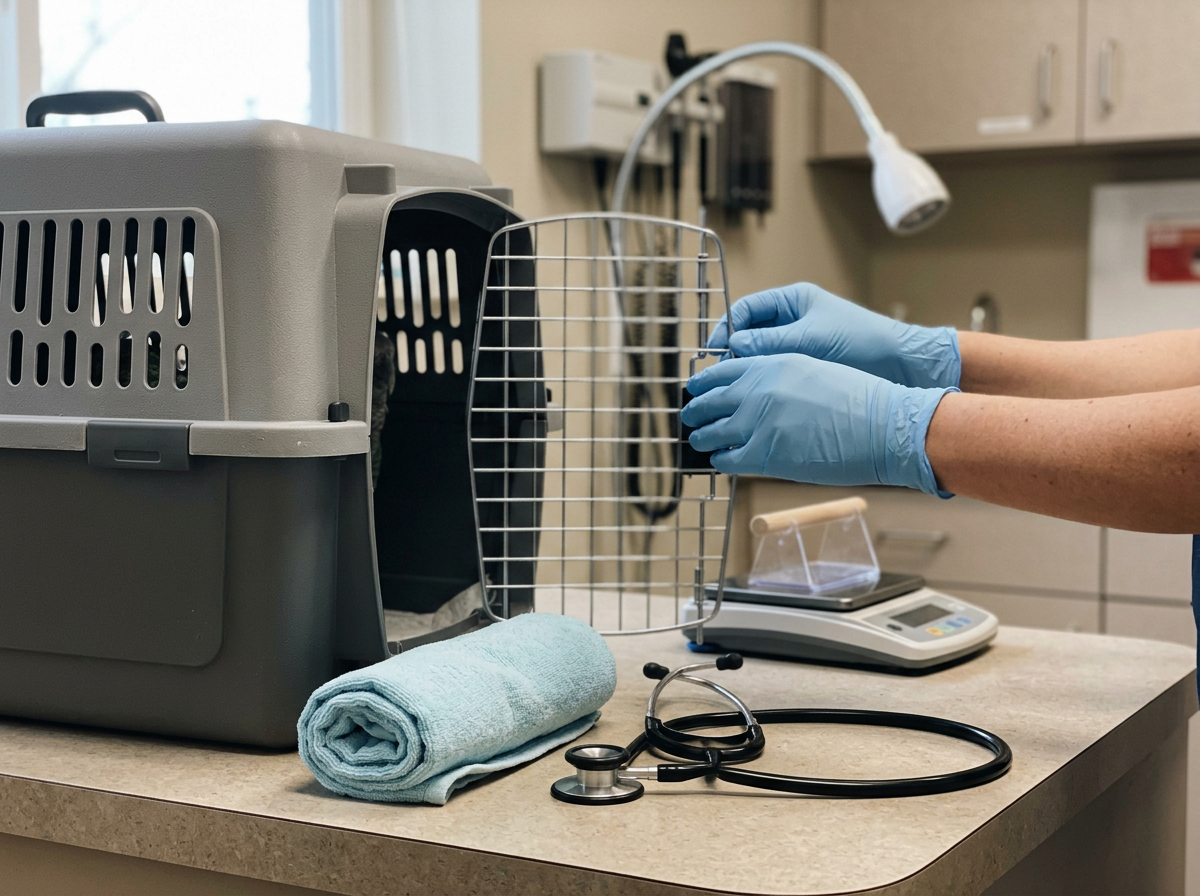
The threshold for 'call the vet now' is any of the following: open-mouth breathing at rest, tail bobbing, wing pumping, audible respiratory sounds, collapse or inability to perch, neurologic signs, blood in droppings, egg binding signs in a female, or a bird that is completely non-responsive to stimulation. These are not 'watch and wait' situations.
For less acute but still worrying signs (runny eyes or nose, reduced appetite for more than a day, abnormal droppings, or significant behavior change), a vet visit within 24 to 48 hours is appropriate. Don't wait a full week on the assumption that it might resolve on its own. As mentioned earlier, birds hide illness until they can't, which means a bird that looks obviously unwell is further along than it appears.
What to expect at an avian vet visit
An avian vet will typically start with a distant visual assessment before handling the bird, specifically to evaluate respiratory effort before stress is added. From there, a standard workup usually includes:
- Weight measurement: one of the most objective early indicators of illness; the vet will compare to expected weight for the species
- Physical examination: checking the eyes, nares, oral cavity, keel, feathers, abdomen, and cloaca
- Droppings evaluation: Gram stain and culture can identify bacterial or yeast overgrowth; a fecal float can detect parasites
- Cultures and swabs: if respiratory signs are present, the vet may perform a nasal flush, sinus aspirate, or choanal swab and culture the discharge to identify bacteria or fungi
- Blood work: a complete blood count and chemistry panel can reveal infection, anemia, liver disease, or kidney involvement
- Imaging: X-rays or radiographs are commonly used when respiratory, digestive, or reproductive symptoms are present to check lung fields, air sacs, and organ size
- PCR testing: for specific diseases such as psittacosis or psittacine beak and feather disease (PBFD), PCR panels on blood or swabs give more definitive results
If the bird is in acute respiratory distress, the vet may stabilize it in a warm, humidified oxygen chamber before doing a full examination, because handling a severely dyspneic bird is risky until it's somewhat stabilized. This is normal and appropriate practice, not a delay in care.
Bring the documentation you gathered at home: the video, the dropping observations, the timeline of when symptoms started, and notes on any environmental changes. That information can meaningfully shorten the diagnostic process and help the vet prioritize which tests to run first.
Respiratory disease in birds, feather abnormalities linked to PBFD, and external parasites like bird lice symptoms are all conditions that benefit from early identification and treatment. The faster you recognize the warning signs, document what you're seeing, and get to an avian vet, the better the odds of a good outcome for your bird.