There are three main scenarios that bring people to this search. First, a pet bird (parrot, cockatiel, conure, etc.) is flying around the room and something looks wrong with how it lands, grips the perch, or holds its wings after landing. Second, someone found or is caring for a wild bird that appears to struggle in flight, crashes awkwardly, or can't seem to use one wing or foot properly. Third, a bird is showing limb-related symptoms at rest that seem to get worse when it tries to fly or flap.
All three scenarios point to the same core question: is this a breathing problem, a neurological problem, or a physical injury to the wing, foot, or leg? The answer changes what you do next, so let's work through it practically.
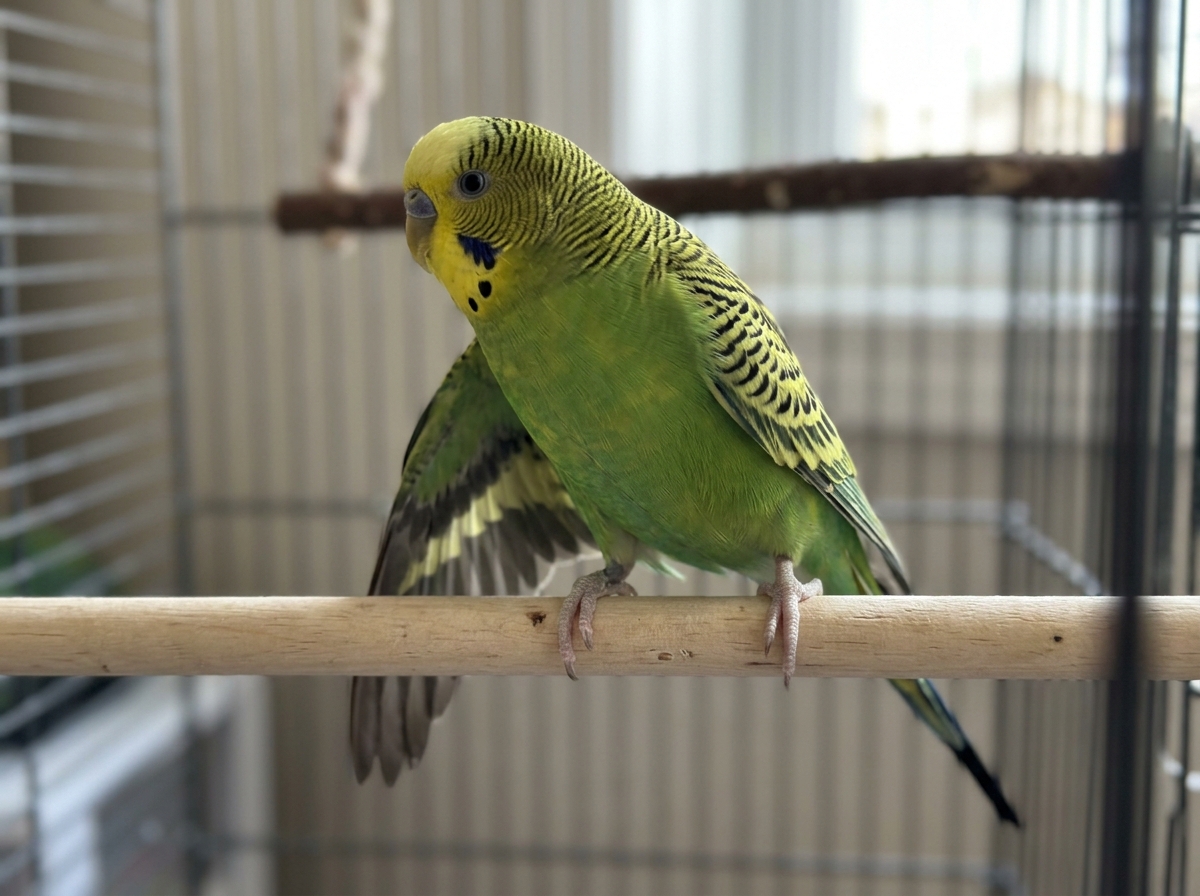
Wing position in flight and on landing tells you a lot. A healthy bird tucks its wings cleanly after landing and perches with both feet gripping evenly. When something is wrong, you start to see specific deviations from that pattern.
Watch for a drooped wing on one or both sides. A wing that hangs lower than normal at rest, or that the bird can't fold back into its body after flying, points strongly toward a physical problem, either a fracture, dislocation, soft-tissue injury, or nerve damage affecting that wing. Birds use continuous wing-morphing adjustments mid-flight for control, so even a partial impairment shows up as clumsy turns, crash landings, or an inability to slow down properly before landing.
On the foot and grip side, watch whether the bird lands and immediately loses its footing, grips unevenly (one foot tighter than the other), or seems to collapse onto the perch rather than step onto it. Check whether the toes curl normally or whether one or more toes stick out at an odd angle. A bird that keeps falling off its perch, repeatedly slips on a flat surface, or refuses to bear weight on one leg is showing you something worth taking seriously.
- Drooped wing on one or both sides after landing
- Uneven grip: one foot grips the perch, the other hangs loosely
- Crash landing or inability to slow before landing
- Toe(s) pointing abnormally or curling involuntarily
- Repeatedly falling off or slipping from the perch
- Refusal to bear weight on one leg
- Wing held out away from the body at rest (can also signal overheating)
- Trembling in the wings, feet, or legs after exertion
Respiratory, neurological, and musculoskeletal problems that look similar
Here's where things get tricky, because all three categories can produce what looks like a flight or coordination problem. Getting the category right is the key to deciding how urgent your response needs to be.
Respiratory distress mimicking flight problems
A bird struggling to breathing will often hold its wings slightly away from its body and appear unsteady on its perch, which can resemble many bird of paradise symptoms. The classic signs are open-mouth breathing, labored breathing, and tail bobbing, where the tail moves visibly up and down with each breath. You may also notice nasal or eye discharge, facial swelling, or audible clicking/wheezing sounds. A bird with serious respiratory distress can look uncoordinated during or after flight simply because it's not getting enough oxygen, not because its wings or feet are injured.
Respiratory problems are medical emergencies on their own. If you see open-mouth breathing combined with any flight or perching difficulty, treat it as urgent regardless of what else is happening.
Neurological problems affecting coordination and control
Neurological issues show up as loss of coordination rather than mechanical inability to move. Key signs include head tilt, rapid involuntary eye movements (nystagmus), circling or staggering on the perch or floor, tremors in the wings or legs, and seizure-like episodes. A bird with a neurological problem may have perfectly intact wings and feet physically but still land badly, miss the perch entirely, or seem confused about where its feet are.
Causes range from toxin exposure (heavy metals like zinc or lead, certain household fumes) to viral infections like West Nile virus, nutritional deficiencies like vitamin E, or spinal/brain injury. Vitamin E deficiency, for example, can produce ataxia, falling backward, and abnormal leg posturing. Poisoning can cause incoordination, tremors, and in severe cases seizures. Any of these will make a bird look like it has a wing or foot problem during flight when the real issue is neurological.
Musculoskeletal injury or disease
Physical injury to a wing, leg, or foot is generally the most straightforward category. Signs are mechanical: the limb doesn't move correctly, the bird avoids using it, or there's visible swelling, asymmetry, or an abnormal angle. Fractures, dislocations, soft-tissue tears, and foot problems (including injuries from leg bands) fall into this group. Unlike respiratory or neurological problems, musculoskeletal issues usually don't cause breathing changes or eye/head abnormalities.
| Category | Key signs | Breathing changes? | Eye/head signs? | Urgency |
|---|
| Respiratory | Open-mouth breathing, tail bobbing, wheezing, nasal discharge | Yes, primary sign | Possible facial/eye swelling | High: seek vet quickly |
| Neurological | Head tilt, nystagmus, tremors, circling, staggering, ataxia | Not usually (unless toxin) | Yes: eye movement, head position | High: seek vet same day or sooner |
| Musculoskeletal | Wing droop, foot non-weight-bearing, visible swelling, asymmetry | No | No | Moderate to high depending on severity |
Quick home checks to narrow the cause
You don't need to diagnose the bird, but you do need to gather good observations before calling a vet or deciding whether to go right now. Here's what to check in the first few minutes, with minimal handling so you don't add stress.
Watch breathing before you touch anything
Step back and observe the bird from a few feet away for one to two minutes. Count how many breaths it takes in 30 seconds (multiply by 2 for the per-minute rate). Watch whether the tail bobs with each breath, whether the beak is open, and whether you hear any sounds. Any open-mouth breathing at rest is a flag. If you suspect bird lice symptoms, look for signs like scratching, feather damage, and increased irritation alongside these breathing changes. A bird holding its wings slightly out while breathing hard may also be too warm, so note the ambient temperature too.
Check posture, balance, and eye position
Still without touching: is the head tilted to one side? Are the eyes moving rapidly or involuntarily? Is the bird leaning or staggering? Does it look alert or is it fluffed up, eyes half-closed, and hunched? A fluffed, hunched, quiet bird is telling you it feels very unwell, regardless of what specific system is affected.
Look at the wings and feet closely
Is one wing held lower than the other? Does the bird tuck both wings back symmetrically after a flap, or does one side lag? Are the feet gripping evenly? Look at the toes individually if you can: normal toe position versus abnormal splaying or curling. Check for visible swelling, discoloration, or wounds on the feet, legs, or wing joints.
Document what you saw
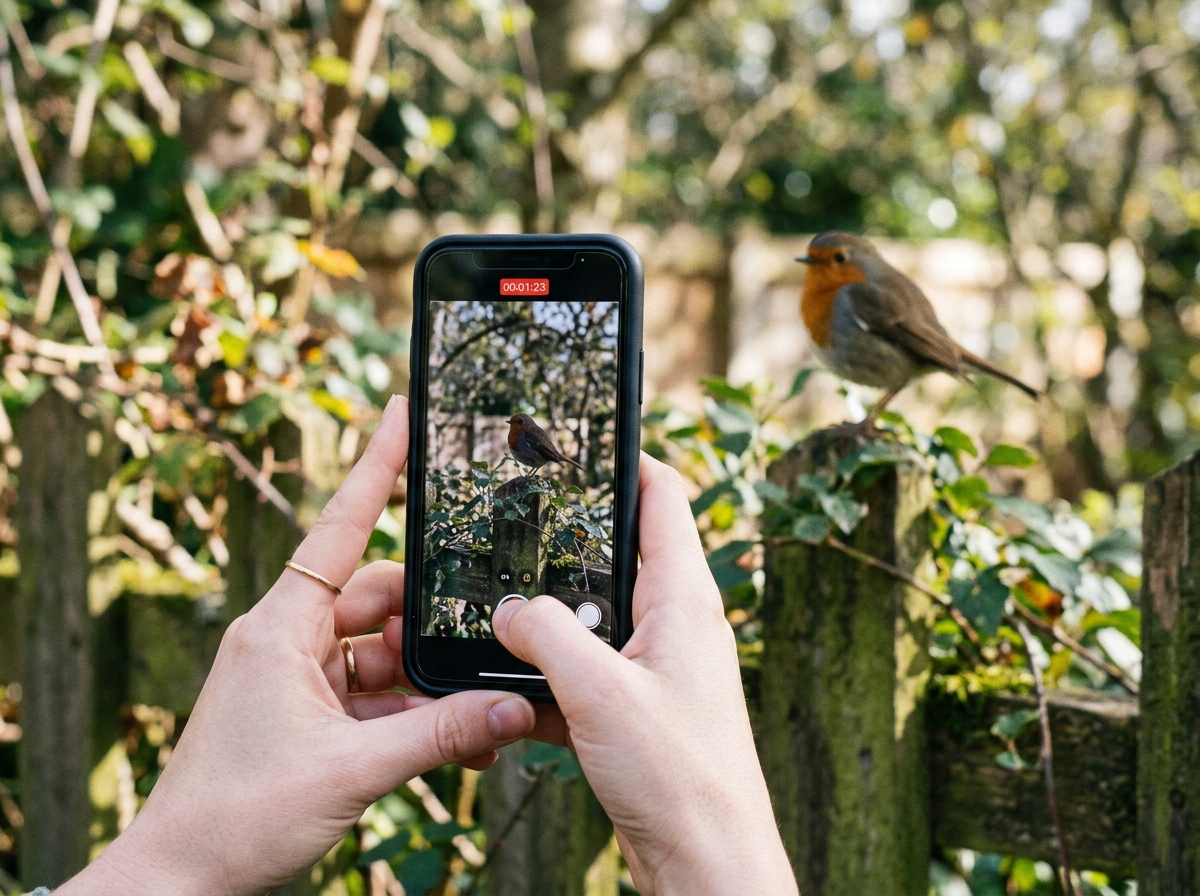
A short video on your phone is extremely helpful for the vet. Even 30 to 60 seconds of footage showing the bird's posture, breathing, and movement is far more useful than a description alone. Note the <a href="CD2DC87A-0504-4B80-84AD-16F66D63D3E2">time symptoms started</a>, whether there was any recent event (flew into a window, new food, cleaning products used nearby, new toy with metal parts), and whether symptoms are stable, improving, or getting worse.
Red flags that mean act now
Some signs mean you should be calling an avian vet or emergency clinic right now, not monitoring at home. Don't wait on these.
- Open-mouth breathing at rest or obvious labored breathing
- Tail bobbing continuously with each breath
- Head tilt with rapid, involuntary eye movement (nystagmus)
- Seizure, convulsions, or uncontrolled tremors
- Staggering, circling, or complete inability to stand
- Sudden inability to use a wing or bear weight on a leg
- Visible fracture, dislocation, or open wound
- Unconscious, unresponsive, or barely breathing
- Suspected toxin exposure (fumes, metals, household chemicals)
While you arrange transport: place the bird in a small, dark, warm, quiet carrier or box. Limit handling to the minimum necessary, because restraint adds serious stress to an already compromised bird. Don't offer food or water if the bird is breathing hard or unstable. Keep the environment warm but not hot: if the bird is panting or holding its wings out, it's overheated, so adjust accordingly. Humidifying the air in the carrier slightly can help in respiratory cases. This 'warm, dark, and quiet' approach is a standard stabilization principle for avian emergencies and buys you time while getting to a vet.
What the vet will actually do: diagnosis pathways
Knowing what comes next helps you feel prepared. An avian vet will typically start with a full physical exam and history, which is why your documentation matters. They'll ask about symptom onset, diet, environment, and any possible exposures.
For suspected respiratory disease, the workup can include a respiratory assessment, radiographs (X-rays) to look at the lungs and air sacs, and in more complex cases, endoscopic examination of the upper airway or a transtracheal wash for culture. Pulse oximetry or arterial blood gas testing can assess how well the bird is oxygenating. For infectious respiratory disease, specialized PCR panels, including avian influenza screening, may be ordered.
For neurological signs, the vet will assess whether this looks like a toxin exposure, a nutritional issue, a viral infection, or a structural problem (spinal injury, brain lesion). Blood work and sometimes imaging are used to narrow it down. West Nile virus testing may be relevant in wild birds or free-flighted birds with access to outdoors.
For musculoskeletal problems, radiographs are the main tool for identifying fractures and dislocations. The vet will also palpate the wing and leg joints, check range of motion, and assess whether swelling or pain is localized to a specific structure.
Supportive care you can provide while arranging a vet visit
You can't treat the underlying cause at home, but you can absolutely support the bird's stability in the meantime. The goal is to reduce the bird's physiological stress while you get professional help arranged.
- Place the bird in a small, warm, quiet, darkened carrier or box. Reduce visual stimulation and minimize noise. This is the most important thing you can do for a bird in shock or distress.
- Keep the temperature warm but monitor: roughly 85 to 90 degrees Fahrenheit is often cited for sick birds, but watch for panting or wings held out, which signal overheating. Adjust accordingly.
- Do not force food or water, especially if the bird is breathing hard or unresponsive. Aspiration is a real risk in a compromised bird.
- If respiratory distress is present and you have access to supplemental oxygen (uncommon at home but possible in some situations), it can be delivered near the bird's face without forceful restraint.
- Keep the bird still. Avoid letting it fly around or exert itself further. Restrict movement gently by using a small container.
- Record a short video of symptoms and write down the timeline, any recent exposures, and what you've observed. This genuinely speeds up diagnosis at the vet.
- Call ahead to the clinic so they can prepare for an avian emergency patient.
One important note on handling: in birds with breathing difficulty, minimizing restraint is critical. The respiratory muscles in birds are structured differently from mammals, and tight restraint around the body can actually prevent a bird from breathing properly. If you need to move the bird, do it with the least restrictive hold possible and keep it brief.
Birds that are very depressed and showing signs of shock can deteriorate quickly. If the bird looks critical, don't wait for a regular appointment slot. Contact an emergency exotic animal or avian clinic directly. The symptoms covered here, especially when respiratory distress or neurological signs are involved, fall well outside a 'wait and see' situation. Getting there fast, with good observations in hand, gives the bird the best chance.